
How Genomics Personalized Nutrition Programs Are Redefining The Future Of Modern Wellness
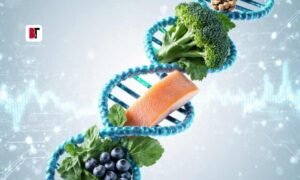
What works for one body might fail for another – old ideas about a single perfect diet are fading fast. Health rules once claimed everyone needed the same mix of nutrients to stay well. Yet most have watched two folks share a meal, only to see one feel great while the other feels off. Now science catches up through gene-based food plans explaining why bodies respond in their own way. A shift from broad advice begins as biology takes center stage. Some people feel great eating lots of fat. Others feel awful doing the same thing. Scientists now know part of the reason lies buried in our genes. Hidden codes inside DNA explain these differences. Instead of one-size-fits-all diets, guidance is getting more personal. What you eat ties directly to your biology. Grocery trips start feeling less random. Meal choices gain new meaning. The stove becomes a tool for long-term well-being. Health isn’t just habits anymore – it’s also heredity. Advice shaped around data slowly replaces old rules.
The Biology That Shapes What You Eat Every Day
Right inside this shift lies something clear: your genes aren’t just about looks – they guide how you break down each bit of food, every nutrient, every bite. Signing up for DNA-based eating plans? It’s like tracing your body’s inner roadways – the routes nutrients take through your system. One person might carry gene forms that burn carbs fast – like fuel in a tuned engine – while another struggles with blood sugar control even when active. Caffeine jolts some awake but lingers too long in others – all thanks to enzyme quirks spelled out in DNA. Spotting those signs opens doors to smarter choices, skipping the guesswork many face when changing what they eat. Precision once saved only for elite competitors or hospital charts now fits into daily meals.
Bridging the Gap Between Genetics and Plate
The integration of genetic data into daily eating habits represents a significant leap in preventive medicine. Traditional nutrition often reacts to symptoms—treating high blood pressure or rising blood sugar after they appear. In contrast, the insights gained through genomics personalized nutrition programs allow for a proactive stance. If a genetic profile indicates a higher-than-average requirement for folate or a reduced ability to synthesize Vitamin D, a person can adjust their intake decades before a deficiency manifests as a chronic illness. This isn’t about changing one’s DNA, but rather about changing the environment in which those genes operate. By providing the body with the exact raw materials it is genetically “asking” for, individuals can optimize their energy levels, improve recovery times, and maintain a healthier weight with significantly less resistance from their own biology.
Overcoming the Noise of Fad Diet Culture
We live in an age of information overload where every week brings a new “superfood” or a revolutionary fasting protocol. This noise often creates a paradox of choice, where people are more confused than ever about what to eat. The rise of genomics personalized nutrition programs offers a way to cut through this clutter by grounding dietary choices in hard data rather than social media trends. When you understand that your body has a specific genetic variant affecting lipid metabolism, the debate between low-carb and low-fat becomes irrelevant; the data tells you which path your body is built to follow. This personalized approach fosters a more sustainable relationship with food, as the recommendations are based on internal biological reality rather than external pressure or aesthetic ideals. It empowers the individual to ignore the “miracle” diets of others in favor of the specific fuel their own cells require.
Technology and the Scaling of Precision Health
The accessibility of these services has expanded dramatically due to advancements in sequencing technology and data analysis. What used to cost thousands of dollars is now available to the general public, allowing more people to access genomics personalized nutrition programs than ever before. These services typically involve a simple non-invasive sample, which is then analyzed for specific markers related to nutrient absorption, food sensitivities, and metabolic efficiency. As artificial intelligence continues to refine how we interpret genetic data, these programs are becoming increasingly sophisticated, often linking genetic findings with real-time biometric data from wearable devices. This creates a living, breathing feedback loop where your diet evolves alongside your lifestyle, ensuring that your nutritional strategy remains as dynamic as your life itself.
Moving Toward a Legacy of Molecular Wellness
As we look toward the horizon of health and longevity, the focus is shifting away from temporary fixes and toward the long-term maintenance of biological integrity. Utilizing genomics personalized nutrition programs is less about a 30-day transformation and more about a lifelong alignment with one’s self. This deep level of self-knowledge encourages a shift in mindset, where eating is viewed as an act of precision engineering. By respecting the unique requirements of our genetic makeup, we can reduce the systemic inflammation and oxidative stress that contribute to aging and disease. The goal is a state of equilibrium where the food we consume acts as a supportive partner to our DNA, ensuring that we are not just living longer, but functioning at our highest possible capacity throughout every decade of our lives.