
Business Automation and Cybersecurity Leaders Help Young Entrepreneurs Scale Success in 2026
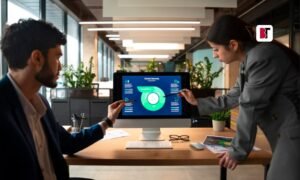
Come 2026, startups rely heavily on automated tasks guided by artificial intelligence just to keep up, letting small crews handle big workloads. Logistics firms, online shops, even finance outfits now run routine jobs through smart robots or rule-based software instead of people, speeding things up while spending less. Behind the scenes, chatbots shaped by machine learning take care of customer questions without delays. While all this unfolds, safety stays a top concern – attacks have shifted from clumsy email tricks to clever programs that hunt weaknesses alone, linking flaws in ways humans rarely predict. So protecting data isn’t an afterthought anymore – it shapes how tools get built from day one.
Even so, top security leaders push ongoing threat exposure tracking, systems built on zero trust, plus centralized risk and compliance setups that link safeguards directly to various rules. Because of this, smaller companies can stand up to bigger rivals by lowering chances of attacks and getting better insurance deals. Meanwhile, new entrepreneurs like Isha Talwar – a founder from India running an AI startup – build smart cloud tools that handle daily office work alone, which opens space for people to think differently.
Out front, folks such as Tan Le, diving into brain-tech powered by artificial intelligence, stand alongside Tomas Puusepp, who digs deep into digital shields – both showing where smart machines meet online defense. While one uses AI to mimic human thinking for health advances, the other sees it weaponized, then turned back against threats moving faster than any person could track. With time, these systems grow sharper, not only doing tasks quicker but holding strong when under pressure. It isn’t merely about saving effort anymore; staying intact during chaos matters more now. Firms weaving self-running processes into tight security setups tend to stretch wider across borders without losing grip on rules or user faith.