
How Rick And Morty Season 7 Successfully Navigated Its Biggest Reinvention
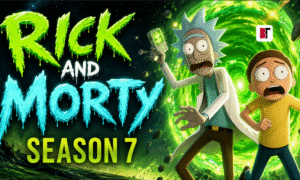
Somehow, the voices shifted without breaking what fans loved in rick and morty season 7. Though change arrived fast – unexpected – the story kept moving through chaos. This season arrived after storms most never saw coming. A different cast stepped into roles once thought untouchable. Still, the laughs landed, even when shadows lingered beneath. What survived was not just continuity but something rawer. Sound changed. Tone bent. The soul held. Few expected strength from such fracture. Yet here it stands: altered, aware, alive. rick and morty season 7 managed to preserve its emotional pulse despite every uncertainty surrounding it.
A Perfect Shift in Voice and Unseen Paths Ahead
Out of nowhere, the show’s crew faced a big problem: filling shoes left by someone who played two roles – the bitter genius Rick and his nervous grandkid Morty. Long before the first new episode aired, fans online spent ages guessing what the replacements might sound like in season 7. Instead of making it obvious, producers went quiet, searching hard until they found voices close enough. Eventually, Ian Cardoni and Harry Belden got picked, slipping right into place without drawing attention.
That first episode aired, then fans exhaled like they’d been holding breath for years. Not just similar voices – these ones felt right, clicking into place by minute three. Instead of imitating, the cast echoed how the originals breathed life into each line. With sound now settled, scripts dared deeper, wandered off expected paths. Real world noise faded because attention stayed glued where it belonged – on what happened next in rick and morty season 7.
Out here, the shift wasn’t just about better voices. It marked something wider – control spreading out, less centered on one person’s vision. Suddenly, it was no longer shaped by a single mind but opened up. Writers who knew the world inside out now had space to play. A whole ten years of backstory became material they could twist, test, reshape. Room for risk crept in where there once was tight control.
Dismantling Lore and Overthrowing the Arch-Nemesis
For years, the overarching narrative of the show revolved around a singular obsession: Rick’s relentless, agonizing hunt for Rick Prime, the specific variant who murdered his original wife and daughter. This pursuit was always treated as the ultimate endgame, a dark cloud hanging over every episodic adventure. Conventional television logic dictated that such a monumental confrontation would be saved for a series finale, or at least a massive season-ending cliffhanger.
rick and morty season 7 shattered those expectations by positioning this ultimate showdown right in the middle of its run. The fifth episode delivered a breathtaking, brutal climax that brought an abrupt end to Rick Prime’s reign of terror. By resolving this massive narrative arc so early, the showrunner and writers pulled the rug out from under the audience and Rick himself.
This bold creative choice forced the narrative to confront a terrifying philosophical question: what happens to a man defined by vengeance when his revenge is finally complete? The aftermath of this confrontation left Rick in a state of profound emptiness, shifting the show’s focus from explosive multiversal warfare to a deeply intimate study of depression, purpose, and recovery. Many viewers now consider this emotional pivot one of the strongest storytelling decisions in rick and morty season 7.
Balancing Bizarre Sandbox Comedies with Emotional Weight
Once the heavy burden of the main canon was lifted, the latter half of the season flourished with some of the most inventive episodic concepts the series has ever produced. The writers embraced a formula that blended pitch-black comedy with existential dread, showing that the series could still shock and delight without relying on serialized lore.
One standout episode turned a simple craving for spaghetti into a horrifying moral dilemma involving a planet where people turn into delicious pasta upon taking their own lives. It was an hour of television that perfectly encapsulated the show’s unique ability to start with a ridiculous, juvenile premise and somehow steer it into a poignant commentary on life, death, and human connection. Episodes like these proved why rick and morty season 7 continued dominating discussions online even after major controversies.
Other episodes experimented with format and character pairings, giving the supporting cast more room to shine. We witnessed complex character development for Morty, who had to navigate his own independence away from his grandfather’s toxic shadow. The season also leaned into bizarre parodies, exploring everything from sentient lawns to cosmic corporate structures, proving that the show’s creative well is far from running dry. Across every strange scenario, rick and morty season 7 balanced absurd comedy with emotional realism surprisingly well.
The Evolution of Toxicity and Moving Forward
The final episodes of the season left the Smith family in a place that felt genuinely new. For years, the dynamic between Rick and Morty was defined by an unhealthy cycle of codependency and emotional abuse. While Rick is still far from a saint, this chapter showcased a subtle, mature shift in his character. He showed genuine vulnerability, acknowledged his mistakes, and occasionally put the well-being of his family ahead of his own massive ego.
The finale took Morty on a solo journey through a fear hole in a cosmic Denny’s restroom, forcing him to confront his deepest insecurity: the terrifying dread that Rick views him as completely replaceable. By overcoming this psychological trial entirely on his own, Morty achieved a profound level of self-actualization. That emotional ending helped rick and morty season 7 feel more reflective than purely chaotic.
Ultimately, this season proved that the animated phenomenon has successfully matured past its initial shock-value origins. It transformed from a chaotic sci-fi sitcom into a thoughtful exploration of trauma and healing, all while maintaining its signature irreverent wit. As the show looks toward its future, rick and morty season 7 stands on a revitalized foundation, ready to explore the infinite cosmos with a renewed sense of purpose and identity.