
Elevating Workplace Wellness and Productivity with Biophilic Office Design 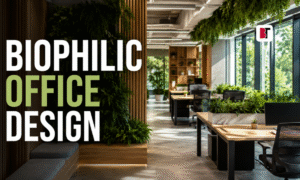
Out there among glass towers, something quiet has started shifting. Instead of cold walls, some offices now hold plants near desks, light from windows shaping the hours. Life grows alongside paperwork when greenery slips between shelves and chairs. A view of trees might change how someone feels by noon. These small moves link people to older rhythms, ones beyond screens and schedules. Air flows differently where nature finds space indoors. Workers stay not because they must, but because the room holds them gently. What looks like decoration runs deeper – it shapes attention, breath, mood. Not every building does this yet, many still echo with silence. But those trying it notice less fatigue, fewer headaches, moments of calm between tasks. It’s not about trends. The earth creeps in slowly, quietly fixing what steel forgot.
The Core Idea of Natural Workspaces
What drives the growing interest in this idea ties back to how people naturally connect with nature. Centuries ago, life unfolded outside, but today’s workers often stay inside nearly all day. By bringing natural shapes, tones, and surfaces into workspaces, offices begin to feel more like landscapes. Choosing such an environment shows recognition – people function well when surrounded by reminders of forests, water, or earth.
Plants alone won’t fix what’s broken in most offices. Instead, real change comes from reshaping space, airflow, and surfaces together. Think about it – humans aren’t built for sealed boxes without light or life. When walls close in, tension builds up fast. Open sightlines to greenery soften those edges, easing minds almost instantly. Breathing cleaner air does more than help lungs – it steadies mood too. Floors made of warm wood instead of cold tile alter how feet feel after hours standing. Workers stay sharper when nature quietly shapes their environment. Clarity isn’t just mental – it shows up in ceilings with soft curves like tree canopies. Even paint tones pulled from soil or moss shift the energy beneath fluorescent glare. Small shifts add weight over days, weeks, months.
Maximizing Daylight and Air Quality for Better Health
Light is perhaps the most critical component when reconstructing a workspace to align with natural rhythms. Standard fluorescent lighting can disrupt our internal circadian clocks, leading to fatigue, eye strain, and poor sleep quality. A sophisticated biophilic office design prioritizes natural daylighting by utilizing open floor plans and glass partitions that allow sunlight to penetrate deep into the building core. When daylight is maximized through a strategic biophilic office design, employees experience a natural boost in mood and energy levels. This simple adjustment to illumination transforms dark, uninspiring cubicles into vibrant ecosystems where innovation can thrive.
Alongside light, the quality of the air we breathe plays a monumental role in cognitive function. Conventional ventilation systems often circulate stale air, which can cause headaches and lethargy over long hours. A forward-thinking biophilic office design introduces living green walls and advanced air purification systems that utilize real plants to filter out toxins. By weaving these living systems into the very fabric of the biophilic office design, businesses ensure a constant supply of fresh, oxygenated air. The physical health benefits of breathing cleaner air manifest quickly as reduced absenteeism and fewer sick days, which ultimately protects the company bottom line while fostering a genuinely supportive culture.
Boosting Cognitive Performance and Creative Output
The ultimate validation for changing how we build work environments lies in the measurable performance metrics of the workforce. Cognitive fatigue is a massive hurdle in high-stress industries where sustained attention is required. Integrating a biophilic office design provides micro-restorative experiences throughout the day, allowing the brain to rest and recharge effortlessly. When an employee looks up from their screen and rests their eyes on a water feature or natural wood grain patterns, their mind undergoes brief moments of involuntary attention, which restores mental energy. Therefore, a deliberate biophilic office design acts as a continuous fuel source for creative thinking and problem-solving.
Team collaboration also sees a noticeable improvement when meetings take place in organically inspired environments. The harsh acoustic reflections of concrete and steel can increase anxiety and hinder clear communication. A well-executed biophilic office design utilizes natural acoustic dampening materials like acoustic moss panels, cork wall coverings, and soft textiles to create a peaceful auditory environment. In a biophilic office design, conversations flow more naturally because the ambient sound levels resemble the gentle rustle of a forest rather than the harsh hum of industrial machinery. This subtle shift in acoustics encourages open dialogue, psychological safety, and a stronger sense of community among diverse teams.
Long Term Value and the Future of Corporate Spaces
As organizations look toward the future, attracting and retaining top-tier talent will require environments that actively support holistic health. Younger generations of workers are increasingly prioritizing mental wellness and sustainability when choosing their employers. Offering a state-of-the-art biophilic office design serves as a powerful testament to a company commitment to its people. A workplace rooted in biophilic office design principles signals that management values human sustainability just as much as quarterly output. This creates a powerful employer brand that resonates deeply with prospective candidates who want to work somewhere that respects their biological needs.
Ultimately, the movement toward greener, more human-centric workspaces is not a passing trend but the new standard for commercial architecture. The upfront costs of modifying structures to support living elements and maximizing natural resources are easily offset by long-term gains in retention, innovation, and daily productivity. As urban centers continue to expand and grow more crowded, our offices must evolve into sanctuaries that restore our vitality rather than drain it. Investing in a beautiful, functional biophilic office design is the definitive pathway to building a resilient, inspired, and highly successful corporate culture for decades to come.
Read Also : How Wearing an Apple Watch Sleep Tracker Can Transform Your Nightly Rest