
Kyocera Unveils Meta-Lens Technology to Transform Wearable Aerial Displays
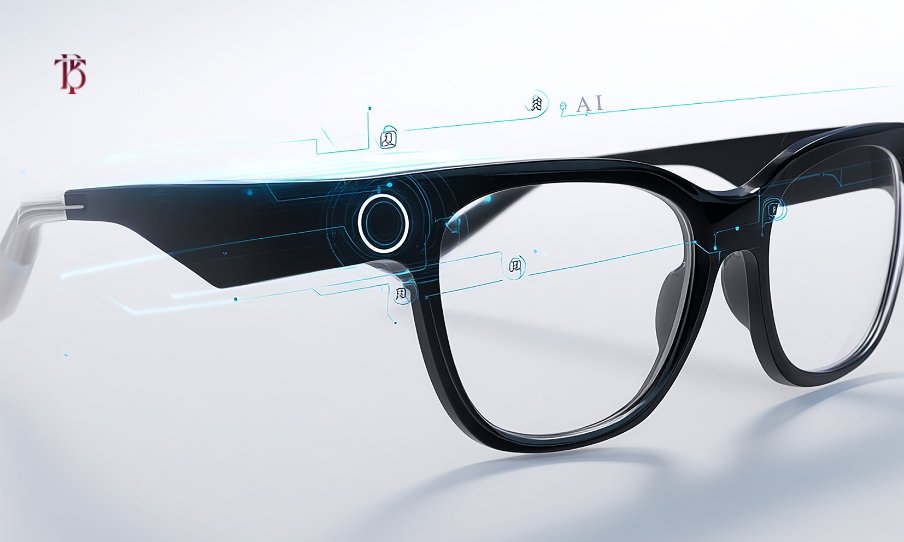
Kyocera Corporation has revealed a huge technological advancement by introducing its meta-lens technology. The new development is aimed at aerial displays of the next generation, which will be the kind of systems that project images in the air without the use of traditional screens. The intention is to alter the perception of people to digital content in three dimensions and at the same time, make immersive displays to be very practical and accessible.
The technology is built around using a meta-lens instead of the conventional glass or optical lenses. Meta-lenses implement engineered micro-structures for light control and that is why they are better than ordinary lenses. The capability of doing so results in the production of clearer images, reduced power requirements, and hence smaller and lighter display systems. In the case of wearable devices, every gram matters and size restrictions have always been the determining factors with regard to the sophistication of such systems. The new meta-lens approach is an attempt by Kyocera to eliminate that limitation.
Below are the steps that Kyocera is taking differently. Conventional optics depend on curved glass or plastic to bend light and generate an image. A meta-lens operates by manipulating light at the level of tiny, engineered surfaces. Thus the lens can direct light rays very accurately and also in a manner that is highly efficient. This leads to the possibility of even clearer and more colorful displays without the need for additional bulk.
The first application of the new technology is expected to be in wearable aerial displays. These systems are capable of projecting 3D images into space without the need for a physical screen. The users of the device will see graphics that seem to be floating in front of them. The possible applications for this technology are numerous and diverse:
- Augmented reality for training and professional use
- Interactive visualization for designers and engineers
- Gaming and entertainment
- Navigation and hands-free information overlays
The extensive range indicates the different and changing scenarios for the application of this technology. In the industry, the workers could view schematics or instructions directly without the need for flying screens. In surgery, the surgeons could be the only ones accessing the data and yet still be the ones who are most focused on the patient. The display could even take the place of conventional smartphones or tablets in daily life.
Offering a similar degree of image quality, the meta-lens will still consume less energy than the other technologies, thus eliminating one major drawback associated with the manufacture and use of wearable devices. The dilemma of cutting down the power consumption yet staying within the high-quality image range remains a permanent challenge. The meta-lens may help out with this by decreasing light loss and improving projection efficiency at the same time. It would thus result in a longer battery life and a more pleasant user experience.
Kyocera’s announcement is more than a component supplier; it shows the company’s vision to be the driver of new display paradigms. They are already in direct competition with companies, including AR headset makers and display innovators, exploring the same field.
Another point worth noting is the potential of this technology to change the whole manufacturing and design process. The use of smaller and lighter optical components results in less material and lower production costs. Eventually, this could lead to the developments of wearable displays being more economical and thus more widely adopted.
Kyocera’s meta-lens innovation could be the turning point in an industry where progress hinges on performance versus practicality. By approaching the light usage for displays differently, they are developing a platform that allows for high-quality visual experiences without the drawbacks of bulk and high energy consumption typical of older systems.
This announcement is more than incremental improvement. It points to a future where immersive, three-dimensional display technology becomes part of everyday life. That future may be closer than many expect.