
Automation Pioneer Marc Benioff Reshapes Salesforce’s AI‑First Strategy
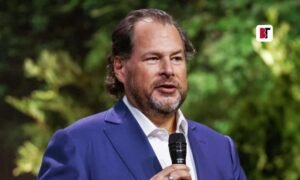
Still leading Salesforce in 2026, Marc Benioff shapes how companies use artificial intelligence through simpler tools that anyone can operate. Because automation matters more now, his team builds smart helpers inside CRM systems – these handle tasks like ranking potential buyers or directing support requests without human input. When these digital assistants predict sales trends, they free up time across large sales departments worldwide. Though tech runs beneath it all, the front ends stay approachable on purpose. With features such as point-and-click setup screens, workers who aren’t coders still shape complex workflows their way. Behind every update lies one steady aim: make powerful software feel light to use.
By 2026, Benioff pushes for AI systems that reveal their reasoning, particularly within corporate environments where choices around pay, job selection, or grouping customers matter deeply. Because trust hinges on clarity, companies should see behind the curtain of automated outcomes. Security stays front of mind, alongside clear rules for handling information and responsible machine behavior. With regulators watching closely, Salesforce fits well beside big firms uneasy about hidden algorithmic logic. Banks, stores, hospitals – these sectors stick close when tech delivers insight without breaking policy lines.
Out past the Salesforce offices, Benioff’s remarks about artificial intelligence and jobs have drawn attention. Where machines replace tasks, he speaks up. On rules for automated systems, his voice carries weight. When it comes to support structures in digital economies, policymakers listen. That mix has placed him at the center of conversations on what work might become. Young founders watch closely. Starting with software that ran customer tracking online, then shifting toward tools driven by smart algorithms – that path feels like a map to some. Growing new ideas without ignoring consequences? His experience hints at how.