
The People Empowerer: Marcel Sawyer’s Multidimensional Blueprint for Ifuru Island, Maldives’ Experiential and Warm Hospitality Systems 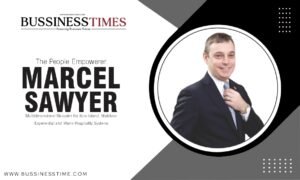
In the sector of hospitality, modern island operations get reinvented because of the creative geometry of some of the most innovative leaders. Leading that league, Marcel Sawyer redefines the boundaries of remote luxury hospitality by applying sharp operational discipline and bold recreational concepts to island management. As the General Manager of Ifuru Island Maldives, he directs a secluded private retreat in the Raa Atoll that features 147 sunset-facing suites and villas alongside the nation’s first permanent skydiving dropzone. Marcel Sawyer’s eighteen years of experience leading diverse corporate properties across Thailand, China, and the Maldives power his many achievements, including the Luxury Lifestyle Awards’ coveted title of ‘One of the Top 100 General Managers of the World.’ Marcel Sawyer’s journey, right from managing massive 1,100-key city hotels with twenty-four restaurants & bars to launching delicate, niche boutique environments, is loaded with heavyweight accomplishments. His extensive background now makes him a perfect leader in successfully leading a highly profitable resort. At the same time, his approach lowers baseline costs, elevates service quality, and maximizes financial returns for his investment partners.
By merging strict structural systems with a warm, lead-by-example management style, Marcel Sawyer removes the heavy, transactional friction often found in traditional five-star service models. He brings a rare, multisided corporate perspective to the property, having previously owned and managed Michelin-star restaurants in Sydney and Switzerland before transitioning fully into rooms division and total resort governance. Rather than remote-controlling his teams from a long-distance executive office, Marcel Sawyer believes in working on the ground. That is, directly alongside his people. That ways he establishes a collaborative workplace culture. It is a very vibrant environment that has systematically driven a ten percent increase in organizational productivity. His team converts typical resort operational bottlenecks into streamlined, automated workflows. It ensures that across six distinct culinary venues, a premium twenty-four-hour all-inclusive dining experiences function flawlessly. It so happens without ever compromising on the laid-back, barefoot atmosphere of the island.
The Multi-Market Evolution of Hospitality Governance
In Marcel Sawyer’s hospitality leadership journey, across city hotels, luxury resorts, and pre-opening transformations, his philosophy has been shaped by variety. He says that he has been fortunate to work across very different markets, cultures, and hotel environments, from fast-paced city hotels to island resorts where every detail of the guest journey must be carefully choreographed. Thailand taught him warmth and emotional intelligence in service. China taught him scale, speed, discipline, and the importance of adapting quickly to an ambitious and highly competitive market. The Maldives has deepened his understanding of experiential luxury, where guests are not simply buying a room, but a feeling, a memory, and a sense of escape. Pre-openings have also been defining. He shares that they teach you to build not only systems, but belief. You are creating culture before the first guest arrives. “That experience shaped my view that leadership is not about control; it is about clarity, consistency, and giving people the confidence to perform at their best.”
The True Metrics of Human-Centered Innovation
Innovation in hospitality often goes beyond technology—it can be about experience design, service culture, and operational thinking. “For me, innovation is not simply about introducing the newest system or digital tool.” True innovation in hospitality is about improving the way people feel. In a resort environment, innovation can be found in how he and his team design an arrival experience, how they remove friction from the guest journey, how they empower team members to personalize service, or how they rethink dining so that it feels less restrictive and more generous. It is about looking at every touchpoint and asking: Does this create ease, joy, connection, or surprise? Technology has an important role, but it should remain almost invisible when it comes to guest emotion, he insists. The real innovation is when operations become smoother, teams become more intuitive, and guests feel that everything has been thought of without anything feeling forced. That is the future of luxury: thoughtful, human, flexible, and quietly intelligent.
Forging an Independent Destination Lane on Ifuru Island
Ifuru Island, Maldives, has built a distinctive identity in a highly competitive luxury hospitality market. Marcel Sawyer always realized that the Maldives is one of the most beautiful destinations in the world, but beauty alone is no longer enough. His vision for Ifuru Island has been to create a resort with personality, one that feels premium but not pretentious, luxurious but not predictable. Ifuru Island has a naturally strong identity: sunset-facing accommodation, a beautiful Raa Atoll location, a Premium All-Inclusive concept, and a spirit built around Social, Fun, Lifestyle, and Great Value. His focus has been to bring these elements together into one clear emotional promise. He and his staff want guests to feel freedom. Freedom to dine where they wish, to be social or private, to celebrate or completely disconnect. The experience should feel generous, relaxed, and full of character. “For me, Ifuru is not trying to copy traditional Maldivian luxury. It is creating its own lane: vibrant island living with a strong sense of warmth, style, and ease.”
Navigating Complex Launch Barriers and Cross-Functional Alignment
Launching and scaling a relatively new luxury resort comes with unique complexities. A newer resort must build trust quickly. Marcel Sawyer and his team need to establish market confidence, develop team culture, refine operations, and create guest loyalty, all while competing with well-established names. That requires focus and agility. One of the biggest challenges is alignment. In a resort, every department affects the guest experience: rooms, food and beverage, recreation, engineering, housekeeping, reservations, marketing, and transport. Innovation helped them by encouraging cross-functional thinking rather than departmental thinking. He and his staff looked at the full guest journey and identified where they could make experiences smoother, more personal, and more memorable. Another challenge is positioning. A new resort must be very clear about what it stands for. At Ifuru, they leaned into their strengths: Premium All-Inclusive, lifestyle-led dining, sunset experiences, family-friendly energy, celebrations, and a warm, social atmosphere. Innovation was not about reinventing everything. It was about sharpening what made them different and delivering it consistently.
The Multi-Perspective Approach to Operational Ecosystems
Marcel Sawyer’s multidimensional experience with a background spanning food & beverage, sales & marketing, rooms division, and full-scale resort leadership helped him see the business as one living ecosystem. A decision made in one department always affects another. Food and beverage influences brand perception. Rooms division shapes comfort and consistency. Sales and marketing create expectations before the guest arrives. Operations must then deliver those expectations with confidence. Because he has worked across different areas of hospitality, he tends to look at decisions from multiple angles. He asks: Will this improve the guest experience? Can the team deliver it? Does it make commercial sense? Does it strengthen the brand? Will it still feel authentic once it reaches the guest? That balance is important. A resort cannot be led only by numbers, and it cannot be led only by emotion. Strong leadership sits in the middle. It understands creativity, service, people, profitability, and long-term reputation. His role is to connect those pieces so the resort moves forward as one.
Adapting to the Demands of Modern Emotional Personalization
Luxury travelers today seek personalization, authenticity, and memorable storytelling rather than standardized luxury, says Marcel Sawyer. In fact, they want to feel recognized, not processed. They expect quality, but they also want flexibility, sincerity, and moments that feel personal to them. At Ifuru Island, Marcel Sawyer and his team adapt by giving guests more freedom in how they experience the resort. “Our Premium All-Inclusive concept allows them to enjoy different dining venues and experiences without constantly thinking about restrictions.” That creates a more relaxed form of luxury. “We also focus strongly on emotional personalization.” It is not always about grand gestures. Sometimes it is remembering a preferred table, adjusting a celebration detail, creating a family moment, or simply understanding when a guest wants privacy rather than attention. Storytelling is also part of the experience. The sunsets, the dining, the island rhythm, the people, the celebrations, and the small surprises all become part of the guest’s memory. “Our goal is for guests to leave with stories they genuinely want to tell.”
The Invisible Vetting of Frictionless Digital Transformations
As hospitality increasingly embraces digital transformation, Marcel Sawyer feels that the most meaningful opportunity is in removing friction. “Technology should help us understand guests better, communicate more efficiently, and anticipate needs more intelligently.” But it should never take the warmth out of hospitality. Used well, Marcel Sawyer reveals that technology allows his teams to spend less time on repetitive administration and more time with guests. It can support faster responses, better preference tracking, smoother reservations, clearer internal communication, and more personalized service delivery. However, the emotional part of hospitality must remain human, he insists. A system can record a preference, but a team member brings it to life. A platform can speed up a request, but it cannot replace genuine care. The best digital transformation is the kind guests barely notice because everything simply feels easier. “Behind the scenes, technology should make us sharper.” In front of the guest, the experience should still feel natural, personal, and heartfelt.
The Strategic Principles of a High-Performing Hospitality Culture
Creating a high-performing hospitality culture requires both discipline and inspiration. So when it comes to prioritizing, the first principle is presence. Teams need to see their leaders, not only in meetings, but on the floor, during service, in the heart of operations. Leadership must be visible and consistent. The second is clarity. In multicultural environments, assumptions can create confusion, so expectations must be simple, practical, and repeated often. Everyone should understand the standard, the purpose behind it, and their role in delivering it. The third is empowerment. Marcel Sawyer adds that his ‘All Stars’ must feel trusted to make thoughtful decisions. Hospitality moves quickly, and the best guest experiences often happen when team members have the confidence to act in the moment. “Finally, I believe in respect.” A resort team brings together different nationalities, languages, cultures, and personalities. When people feel respected, they contribute more fully. Discipline creates consistency, but inspiration creates pride. Marcel Sawyer understands that a resort needs both if it wants a team that performs with heart.
The Integration of Responsible Luxury and Environmental Preservation
The Maldives represents both immense opportunity and unique sustainability responsibilities. Thanks to the ingrained Maldives culture, sustainability is not optional, says Marcel Sawyer. It is part of the responsibility that comes with operating in such a fragile and beautiful environment. Commercial growth must be built with a long-term mindset, because the destination’s future depends on how carefully we protect what makes it extraordinary. At Ifuru Island, responsible luxury means making sustainability practical, operational, and visible without turning it into a slogan. Waste management, water conservation, coral reef protection, responsible diving and snorkeling practices, sustainable agriculture, local sourcing, and community awareness are all part of that wider commitment, he informs. The balance comes from understanding that sustainability and guest experience are not opposing forces. Modern luxury travelers increasingly value purpose, authenticity, and environmental care. When done properly, responsible practices strengthen the brand, support the community, protect the island, and create a more meaningful guest experience, he states.
Utilizing Global Recognition as Fuel for Continuous Evolution
Recognition among top global hospitality leaders reflects both personal leadership and team excellence. It is always appreciated, says Marcel Sawyer, but he sees it as a responsibility rather than a finish line. Awards are a reflection of the collective effort of the team. They belong to the people who greet guests, prepare rooms, cook meals, maintain the island, create experiences, solve problems, and deliver service every day. “For me, recognition is useful because it gives the team confidence. It confirms that their hard work is being seen beyond the island. But it also reminds them that expectations rise with every achievement.” The moment a leader believes an award means the work is complete, they begin to lose momentum. “I prefer to use recognition as fuel. It encourages my staff and me to review what we do well, identify where we can improve, and keep evolving.” In hospitality, consistency is important, but curiosity is what keeps a resort alive.
The Interconnected Triad of Operational Excellence and Brand Storytelling
Many hospitality leaders focus on operational excellence, while others prioritize brand storytelling. But Marcel Sawyer believes that when it comes to balancing in between commercial performance, guest satisfaction, and emotional brand connection, all three must work together. Commercial performance gives the resort strength, guest satisfaction gives it credibility, and emotional brand connection gives it longevity. Operational excellence is the foundation. Without clean rooms, good food, efficient service, and reliable systems, storytelling has no substance. But operations alone do not create love for a brand. Guests remember how a place made them feel. That is where storytelling becomes powerful. At Ifuru Island, the story is not manufactured. It comes from the island’s personality: sunset living, social energy, generous dining, celebrations, family moments, adventure, and warmth. Marcel says that his and his team’s job is to ensure the operation supports that story at every touchpoint. “The balance comes from asking one question often: are we delivering both performance and feeling?” When the numbers are strong, the guests are happy, and the brand has emotional meaning, he knows the resort is moving in the right direction.
Building Culture and Ownership Through Visible Leadership Examples
Looking back at his career, for Marcel Sawyer, the most transformative lesson has been that people do not follow a title; they follow consistency, trust, and example. Earlier in a career, it is easy to think leadership is about having answers. Over time, Marcel reveals he learned that leadership is more often about creating the conditions where others can succeed. “I must listen, guide, challenge, support, and sometimes step back so people can grow. I have also learned that culture is built in small moments.” The way a leader responds under pressure, the way you treat a junior team member, the way you handle a guest complaint, the way you communicate during difficult periods; these moments define leadership far more than speeches do. A business becomes stronger when its people feel ownership. Marcel Sawyer adds that his role is to set the direction, protect the standards, and create an environment where the team feels proud to deliver something exceptional.
A Visionary Legacy of Emotionally Intelligent Hospitality
As one of ‘the most innovative hotel & resort leaders to watch in 2026,’ Marcel Sawyer hopes to contribute to a future where luxury hospitality becomes more human, more thoughtful, and more emotionally intelligent. The next chapter of luxury, he adds, will not be defined only by bigger villas, finer materials, or more elaborate experiences. Those things have their place, but the real differentiator will be how deeply a resort understands its guests, its people, and its environment. “My legacy, I hope, is to show that innovation can be warm.” It can be operational, cultural, sustainable, and emotional at the same time. “At Ifuru Island, we are building a resort experience that is joyful, generous, responsible, and full of personality. If our guests leave with memories that stay with them, if our ‘All Stars’ grow with pride, and if the island continues to evolve responsibly, then that is a legacy worth building.”