
India Gains Full Engine Tech Transfer for Its 5th-Gen Fighter Jet Project
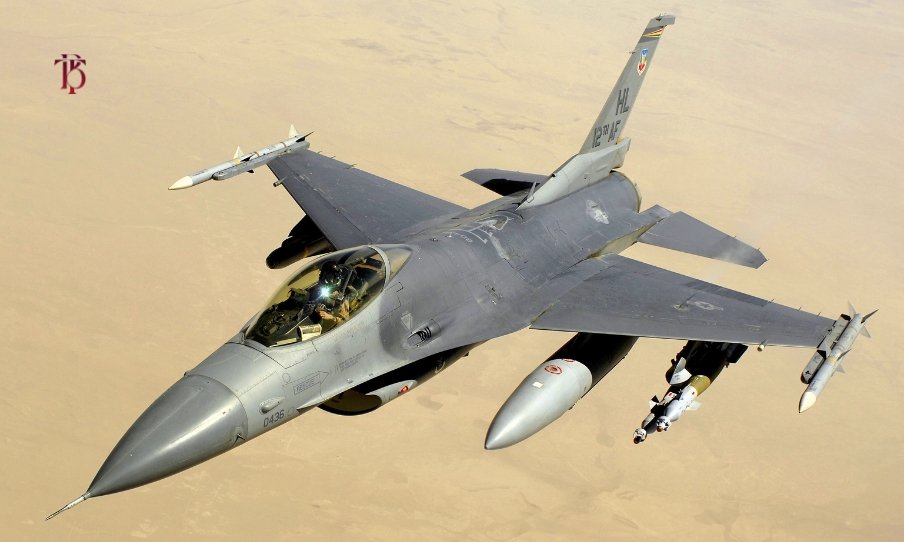
Safran agrees to transfer full jet-engine technology to India for Advanced Medium Combat Aircraft (AMCA)
Safran, a French aerospace company, has in a groundbreaking manner confirmed that it would hand over to India the technology for the engine of a fighter jet 100% of the technology for the local AMCA programme. The deal encompasses the “hot section,” turbines, compressors, combustion chambers, and it gives India full intellectual property rights.
The engine will be able to produce a thrust of 120–140 kN and will include thrust-vectoring, super-cruise, and stealth features. Safran will collaborate with the Defence Research and Development Organisation (DRDO) through its engine design unit Gas Turbine Research Establishment (GTRE) for the design and development. A few major Indian private sector companies like Tata Advanced Systems, Larsen & Toubro, and Adani Defence have been lined up for the manufacturing partnership.
The Kaveri engine is one of the past local jet-engine projects that didn’t quite meet the required thrust standards and thus failed. India will, however, with this move gain access to such crucial technologies as single-crystal blade manufacturing, which is necessary for the component that has to endure high temperature and still be of high thrust performance. That’s why this is one of the most important ToT agreements in the Indian aerospace sector ever.
The programme targets to have nine engineering prototypes within a span of 10–12 years of which the first one will probably be from 2028 onwards. The actual manufacturing and the integration of the engine will be able to start from the early 2030s.
Besides AMCA, such a move can also enable India to come up with high-tech engines for other military or even commercial planes, thereby reducing the country’s needs for imports. By now only in its path, it could, however, create jobs for skilled people, raise local manufacturing capacity, and the defense-aerospace sector overall would become more robust.
This is in fact the closure of a very important gap in the Indian defense capability which India is moving towards. The country with full control of the engine technology as well as domestic rights stands a chance to be able to develop fighter jets and manufacture engines on her own to become self-reliant only.